

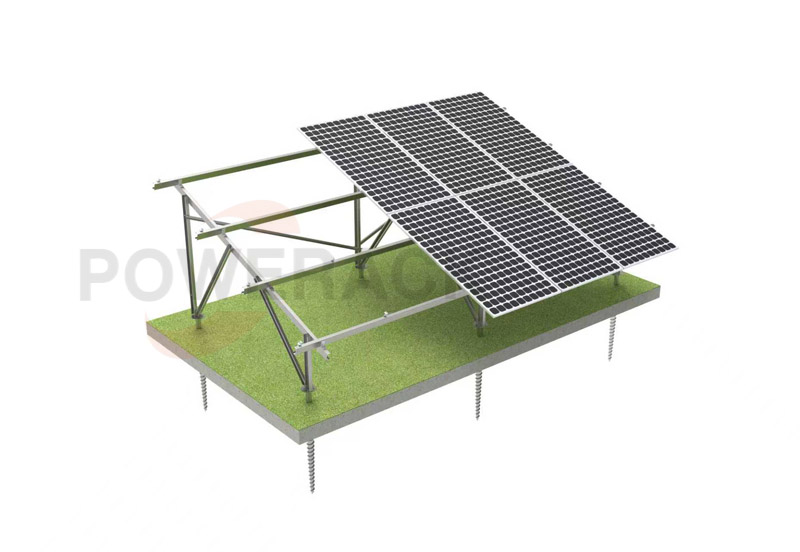
1. Core Revolution: From Traditional Rust Prevention to Chemical "Self-Healing"
The standout feature of zinc-aluminum-magnesium brackets lies in their "self-healing" capability at cuts and fractures—a property absent in conventional galvanized brackets.
Unveiling the Self-Healing Mechanism: When the bracket is cut, the exposed metal rapidly oxidizes in humid environments, forming corrosion products such as zinc hydroxide, aluminum hydroxide, and basic zinc chloride. These products form a dense protective film on the steel surface. As moisture evaporates, this film contracts and tightly seals the cut, effectively blocking oxygen and moisture from further corroding the metal surface—achieving "self-repair."
Durability Data: This self-healing property makes the corrosion resistance of zinc-aluminum-magnesium brackets 3-7 times greater than that of traditional hot-dip galvanized coatings. Their design lifespan exceeds 25 years, far surpassing ordinary galvanized brackets.
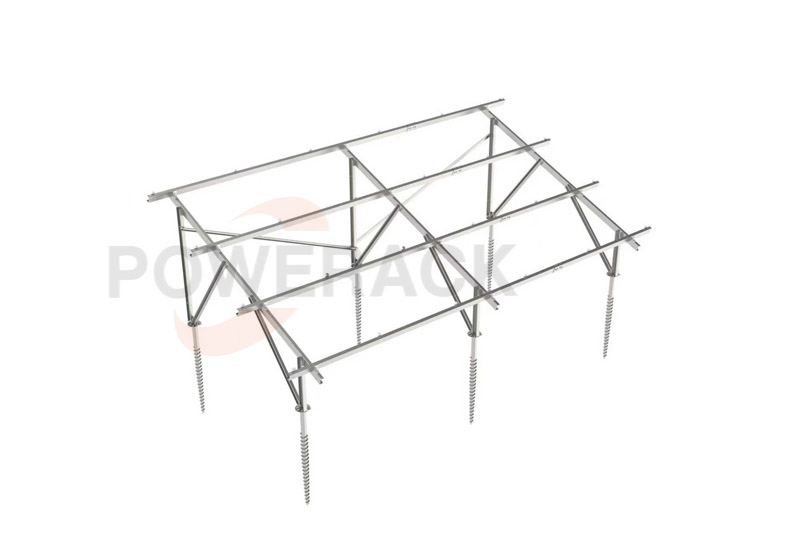
2. Construction and Selection: How to Maximize the "Self-Healing" Properties?
Although ZAM steel solar brackets possess self-healing capabilities, the following principles must be followed during construction to ensure long-term stability:
Cutting and Welding: On-site cutting is unavoidable, but exposed surfaces must be promptly treated with corrosion protection (e.g., zinc replenishment) to prevent micro-battery corrosion. When welding, be mindful of potential sparks from magnesium elements; workers should wear appropriate protective gear.
Corrosion Inspection: Regularly inspect self-healing film formation at vulnerable areas (e.g., corners, cut edges) to ensure no extensive white rust or delamination occurs.
Material Selection: Zinc-aluminum-magnesium brackets are particularly suited for harsh environments like coastal areas, high salt fog, and tropical heat, making them the preferred material for current offshore solar projects.
Add : 606, No. 12, Huasheng Road, Huli District, Xiamen,China
WhatsApp : +86153 9592 2968
Email : info@powerack.com



 English


