

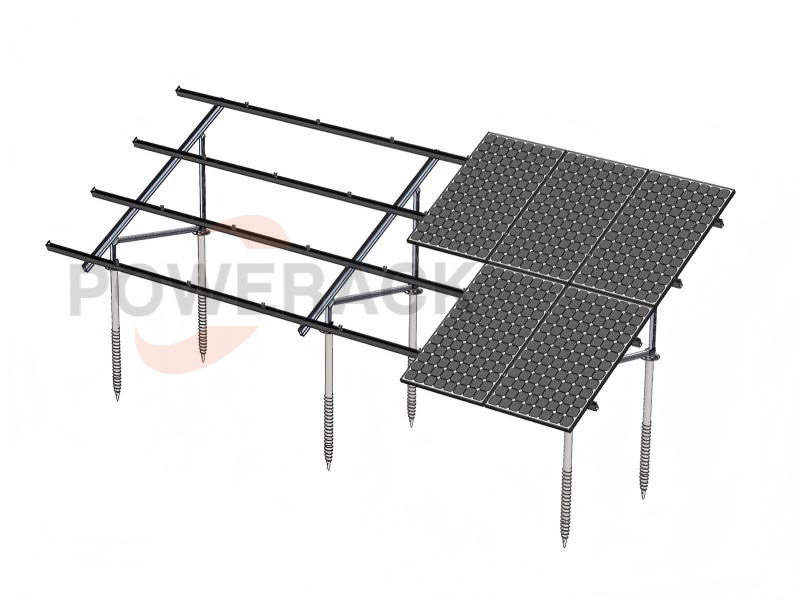
1. Core Attributes and Structural Characteristics
Primary Composition: Primarily composed of aluminum alloy grades such as 6063 and 6005, belonging to the Al-Mg-Si alloy series.
Density and Weight: Density approximately 2.70 g/cm³, weight per square meter approximately 2.71 kg. Compared to traditional steel brackets (density approximately 7.8), weight is reduced by approximately 65%.
Mechanical Properties: In T5 or T6 condition, tensile strength reaches 260-280 MPa, yield strength is approximately 215-240 MPa, and elongation is about 8%. This indicates excellent tensile and compressive strength performance, though it still falls slightly short of certain high-strength steels.
Zinc-Aluminum-Magnesium (ZAM) Supports
Primary Composition: The base material is typically steel plate coated with a ternary alloy layer of zinc, aluminum, and magnesium. Although termed "zinc-aluminum-magnesium supports," their core structure relies on the properties of the coating.
Density and Weight: Despite the steel substrate, the coating significantly reduces weight after corrosion. Data indicates ZAM brackets are approximately 30% lighter than traditional steel brackets.
Mechanical Properties: Benefiting from the high strength of the steel substrate, ZAM brackets typically outperform pure aluminum brackets in bending and compression resistance, while also offering excellent cold-forming and stamping capabilities.
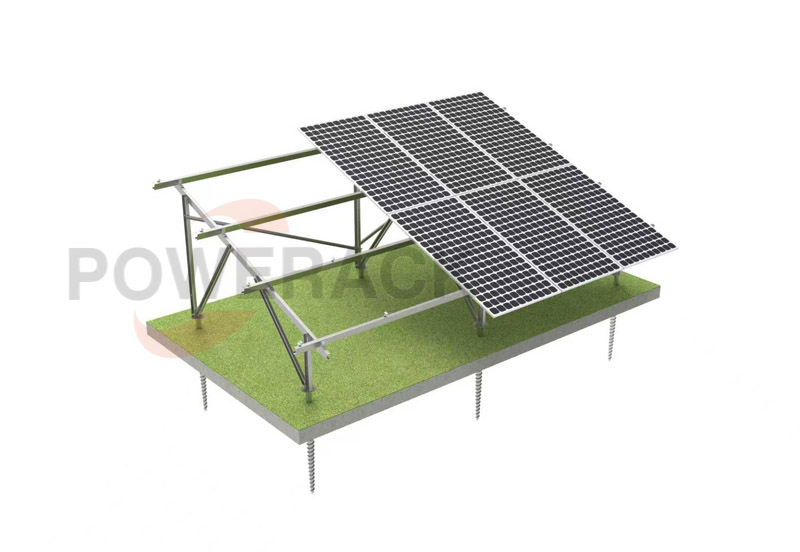
2. Corrosion Resistance and Service Life Comparison
This is the most significant difference between the two and the key factor in selection.
Aluminum Alloy Bracket
Corrosion Resistance: The naturally formed aluminum oxide film (anodized layer) provides excellent corrosion resistance. It performs exceptionally well in dry or ambient temperature environments.
Zinc-Aluminum-Magnesium (ZAM) Brackets
Corrosion Resistance: This is its greatest advantage. The corrosion resistance of the ZAM coating is 5-10 times that of traditional hot-dip galvanized steel.
Self-healing: When the coating is mechanically damaged (e.g., during cutting), the exposed surface rapidly forms a "sphalerite" layer that encapsulates red rust, enabling self-repair and significantly extending service life.
Lifespan: Due to exceptional corrosion resistance, ZAM brackets typically have an expected service life exceeding 30 years, with some products rated for up to 50 years.
3. Application Scenarios and Selection Recommendations
Aluminum Alloy Mounting Structures
Recommended Applications:
Roof-Integrated Photovoltaics (BIPV): Lightweight design minimizes roof load impact, making it the preferred material for rooftop PV installations.
Ground-Mounted Stations in Inland or Arid Regions: Sufficient corrosion resistance for environments with low corrosion levels.
Cost-Effectiveness: Typically lower cost than ZAM mounting structures.
Zinc-Aluminum-Magnesium (ZAM) Mounting System
Recommended Applications:
Coastal and saline-alkali regions: ZAM systems demonstrate significantly greater durability than aluminum alloy in highly corrosive environments.
Harsh climate zones: Areas with extreme heat, heavy acid rain, or prolonged humidity.
Large-scale ground-mounted power plants: Where both strength and corrosion resistance are required, and weight sensitivity is relatively low.
Cost-effectiveness: While initial costs are slightly higher than aluminum alloy, lower maintenance expenses and extended lifespan may yield more competitive overall lifecycle costs.
Add : 606, No. 12, Huasheng Road, Huli District, Xiamen,China
WhatsApp : +86153 9592 2968
Email : info@powerack.com



 English


