

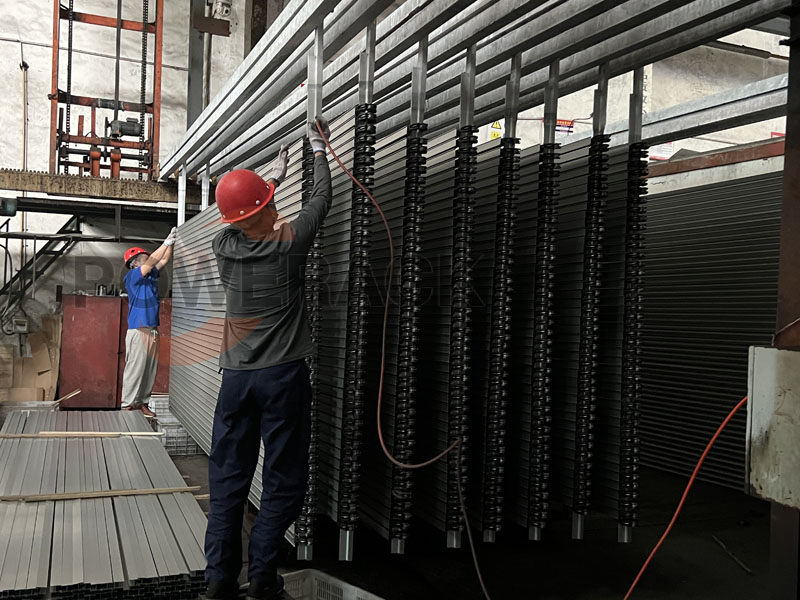
The design service life of a photovoltaic power plant is generally 25 years or more. As the core load-bearing structure of the plant, photovoltaic mounting systems are constantly exposed to the elements, enduring year-round exposure to sunlight, rain, temperature fluctuations, and harsh environmental conditions such as coastal salt fog, industrial corrosion, and the effects of rain, snow, and frost. The corrosion resistance of the mounting systems directly determines the overall stability and service life of the photovoltaic power plant.
Currently, there are two main types of standard anti-corrosion processes for photovoltaic mounting systems in the industry. These are tailored to different materials and application scenarios and serve as the core technical standards for ensuring the long-term corrosion resistance of the mounting systems.
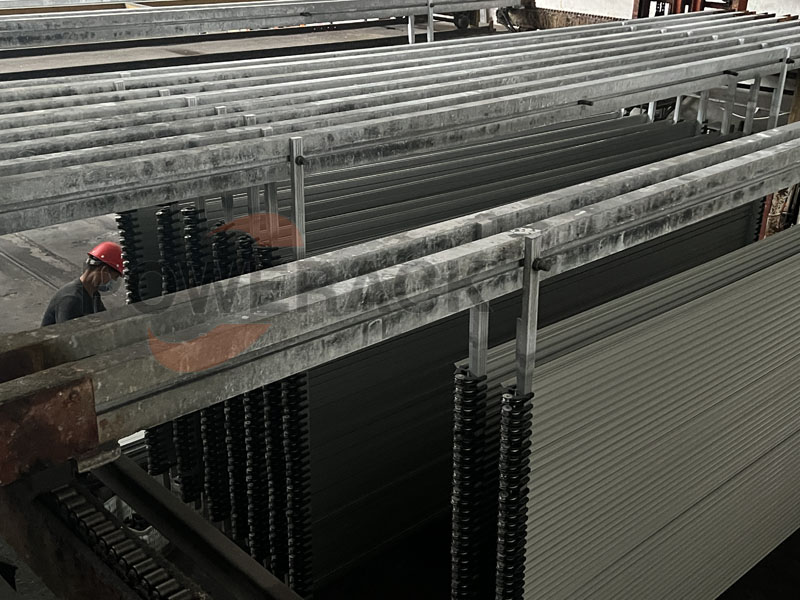
1. Hot-Dip Galvanizing (The Mainstream Process for Carbon Steel Mounts)
Hot-dip galvanizing is the most mature and widely used corrosion protection process for steel photovoltaic mounts. The process involves: after the mount substrate undergoes acid washing, rust removal, and activation treatment, it is immersed in a high-temperature molten zinc bath, causing the zinc layer to form a dense alloy protective layer on the steel surface, completely covering both the inner and outer surfaces of the mount.
High-quality hot-dip galvanized brackets feature a uniform zinc coating with strong adhesion, effectively isolating the steel from air and moisture. Additionally, the zinc layer possesses self-sacrificing protective properties, ensuring that even if the surface layer suffers minor wear, the substrate remains protected from corrosion. Compliant hot-dip galvanized photovoltaic mounting brackets have a corrosion-resistant service life of over 20 years in typical outdoor environments, fully aligning with the design lifespan of photovoltaic power plants.
2. Anodizing Corrosion Protection Process (The Mainstream Process for Aluminum Alloy Brackets)
Aluminum alloy brackets commonly utilize the anodizing corrosion protection process. Through electrochemical treatment, a dense and hard protective layer of aluminum oxide is formed on the surface of the aluminum alloy profiles, sealing the micro-pores and preventing oxidation and corrosion.
This process eliminates the risk of peeling or paint loss. The resulting surface is smooth and corrosion-resistant, while also offering wear resistance, UV resistance, and anti-aging properties. Suitable for standard applications such as residential rooftops and industrial and commercial buildings, it combines aesthetic appeal with corrosion-resistant stability, making it the preferred corrosion protection solution for lightweight photovoltaic mounting systems.
3. Supplementary Corrosion Protection Processes (Accessories)
All components of the complete photovoltaic mounting system—including clamps, bolts, and brackets—must also undergo corresponding corrosion protection treatments. High-quality products utilize processes such as hot-dip galvanizing, stainless steel passivation, and anodizing to prevent the common issue where “the main structure remains rust-free while the accessories corrode first,” thereby ensuring consistent corrosion protection across the entire mounting system.
Add : 606, No. 12, Huasheng Road, Huli District, Xiamen,China
WhatsApp : +86153 9592 2968
Email : info@powerack.com



 English


