The load calculation for photovoltaic mounting systems must comprehensively consider the following factors, specifically including:
Self-weight load
Includes the weight of photovoltaic modules, brackets, connectors, and accessories. For example, the weight of modules is approximat...
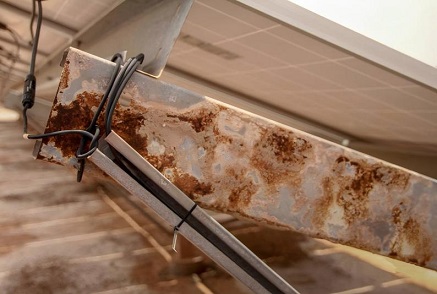
The design service life of a photovoltaic power plant is generally 25 years or more. As the core load-bearing structure of the plant, photovoltaic mounting systems are constantly exposed to the elements, enduring year-round exposure to sunlight, rain, temperature fluctuations, and harsh envir...
Numerous engineering case studies have shown that the rapid rusting of scaffolding is by no means solely due to “harsh environmental conditions”; rather, the core issues lie in three major industry malpractices: cutting corners in construction, using substandard materials, and non...
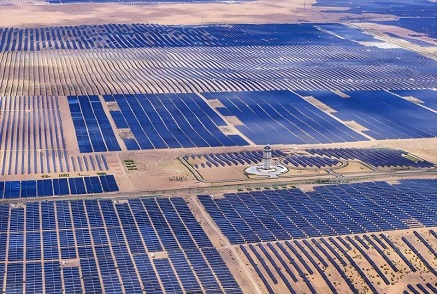
An aerial drone photo taken on June 7, 2025 shows a photovoltaic project in Kubuqi Desert in north China's Inner Mongolia Autonomous Region. [Photo/Xinhua]
Photovoltaic desertification control breaks free from the traditional dilemma of ‘high initial investment and difficulty in...
I. Prioritize Load Distribution to Prevent Concentrated Pressure at Single Points
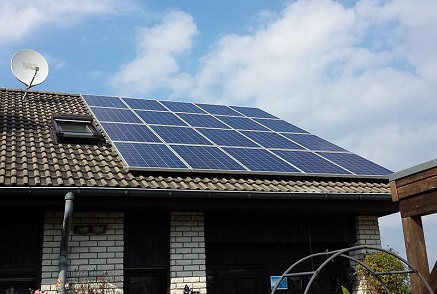
The load-bearing capacity of older roof slabs is generally weak, and their local load-bearing capacity is extremely poor. If mounting brackets and counterweights are concentrated in the mid-span or weak areas of...
I. Ensuring Power Generation Efficiency and Preventing Power Reduction Due to High Temperatures
Photovoltaic modules exhibit a significant negative temperature coefficient; the higher the operating temperature, the lower the power generation efficiency. In summer, enclosed rooftops have extremely po...





 English


