

In the design of solar power stations, the tilt angle of the mounting system directly determines the annual light-capture efficiency of the panels and is a key hardware factor affecting electricity generation. Many project owners and contractors have long been torn between the question of whether fixed or adjustable mounting systems generate more electricity, and whether adjustable systems are necessarily more cost-effective than fixed ones.
The answer is not simply a matter of ‘which is better’; rather, adjustable mount systems generally generate more electricity, whilst fixed mount systems offer greater stability and better value for money. There are clear differences between the two in terms of electricity generation, cost and suitability for different scenarios.The answer is not simply a matter of ‘which is better’; rather, adjustable mount systems generally generate more electricity, whilst fixed mount systems offer greater stability and better value for money. There are clear differences between the two in terms of electricity generation, cost and suitability for different scenarios.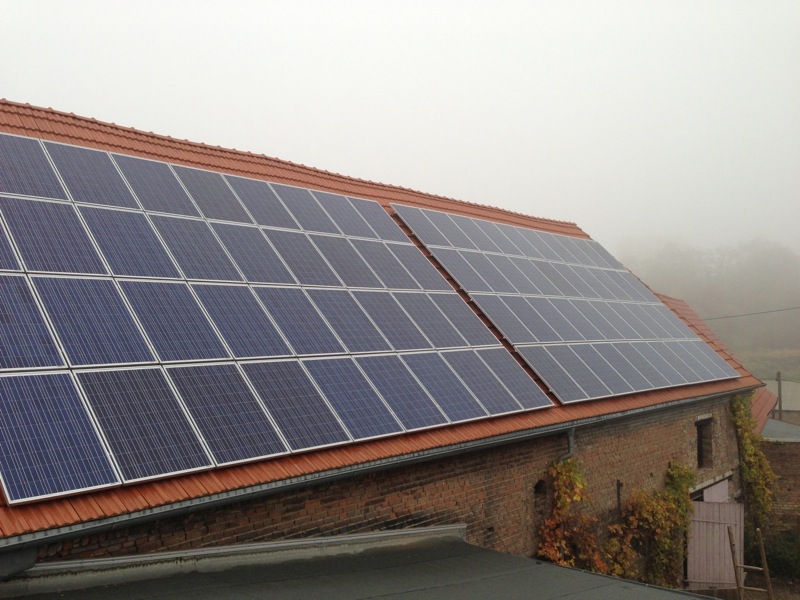 Key conclusion: A clear comparison of electricity generation
Under typical outdoor operating conditions, the difference in power generation gains between the two mounting systems is evident:
Fixed mounting: Utilises a single, fixed tilt angle throughout the year, optimised only for the best sunlight conditions in spring and autumn. As the angle of sunlight shifts in winter and summer, the area exposed to sunlight decreases; power generation efficiency remains relatively constant, with no additional gains.
Manually adjustable mount: The tilt angle is adjusted manually in response to seasonal changes in the sun’s altitude, allowing precise adaptation to sunlight conditions in winter, summer, spring and autumn. Compared to fixed mounts, annual power generation can be increased by 3%–8%, and projects with optimised adjustments can achieve gains of over 10%.
Upgrading to automatic tracking systems (single-axis or dual-axis) will further significantly increase power generation gains: single-axis systems can increase output by 15%–22%, whilst dual-axis tracking systems can achieve gains of over 30%; however, this is accompanied by higher costs and greater operational and maintenance requirements.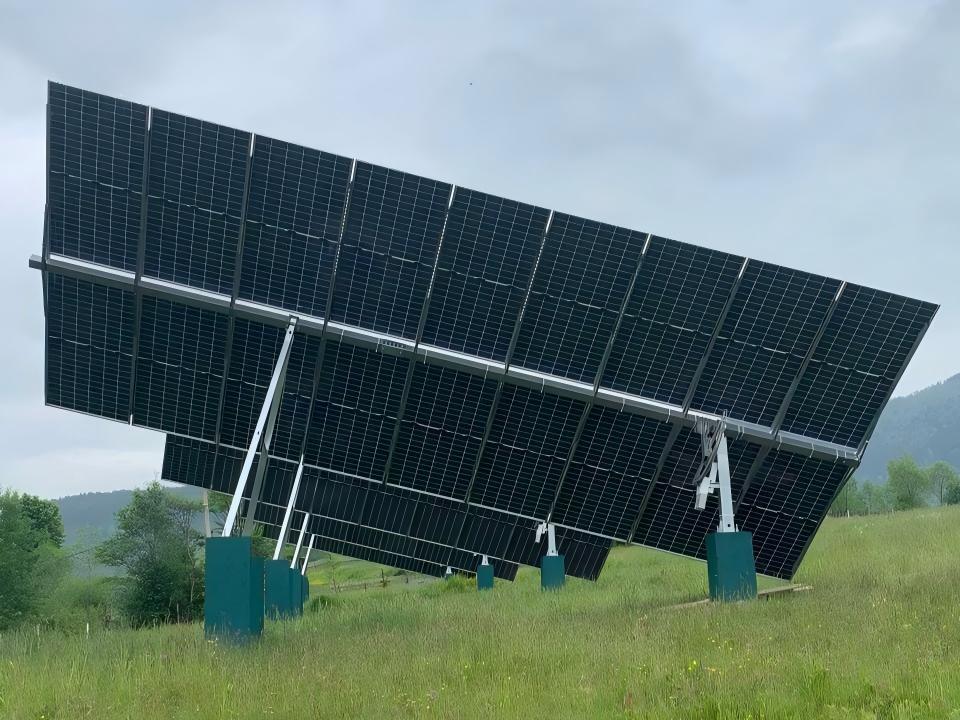 Why do adjustable mounts generate more electricity?
The sun’s altitude changes continuously throughout the Earth’s four seasons. Fixed mounts can only be locked at a single, compromise angle and are unable to adapt to changes in sunlight throughout the year: in summer, the sun is higher in the sky, whilst in winter it is lower; a fixed tilt angle results in oblique sunlight and insufficient light exposure, leading to a loss of electricity generation.
In contrast, adjustable mountings feature a multi-position tilt adjustment mechanism, allowing the angle to be specifically adjusted according to the season: in winter, the tilt angle is increased to capture low-angle sunlight; in summer, it is reduced to avoid glare from strong sunlight. This maximises the effective duration of sunlight exposure for the panels throughout the year, minimising wasted sunlight from a physical perspective and achieving balanced, increased power generation year-round.
Key advantages of fixed mounting systems: they are by no means without merit
Although fixed mounting systems generate slightly less electricity, they remain the mainstream choice for residential, commercial and industrial rooftops to this day, offering highly distinctive key advantages:
1. Extremely simple structure and exceptional stability: with no adjustment mechanisms or moving parts, the overall structure is more rigid, offering excellent resistance to wind and snow loads. It is unlikely to become loose or malfunction during long-term outdoor use, and is designed for 25 years of reliable operation.
2. Lower costs and excellent value for money: Lower production, installation and O&M costs; no need for manual quarterly adjustments; zero ongoing maintenance costs; ideal for projects with limited budgets that prioritise stability and peace of mind.
3. Suitable for a wider range of roof types: The structure is lightweight and slim, with a controlled dead weight, so it does not place additional load on older roofs or colour-coated steel sheet roofs; suitable for the vast majority of distributed solar scenarios.
In terms of power generation efficiency alone: adjustable mounting systems > fixed mounting systems; however, when considering overall value for money, stability and ease of operation and maintenance, both have their respective advantages.
For small-scale residential installations and older roofs, fixed mounting systems are the preferred choice, as they are hassle-free and stable; for large-scale commercial and industrial installations, ground-mounted power stations and projects aiming for high power output, adjustable mounting systems are the preferred choice, as they offer higher long-term yield and returns. Selecting the right system and tailoring it to specific needs is the optimal solution for reducing costs and improving efficiency in photovoltaic mounting systems.
Add : 606, No. 12, Huasheng Road, Huli District, Xiamen,China
WhatsApp : +86153 9592 2968
Email : info@powerack.com



 English


