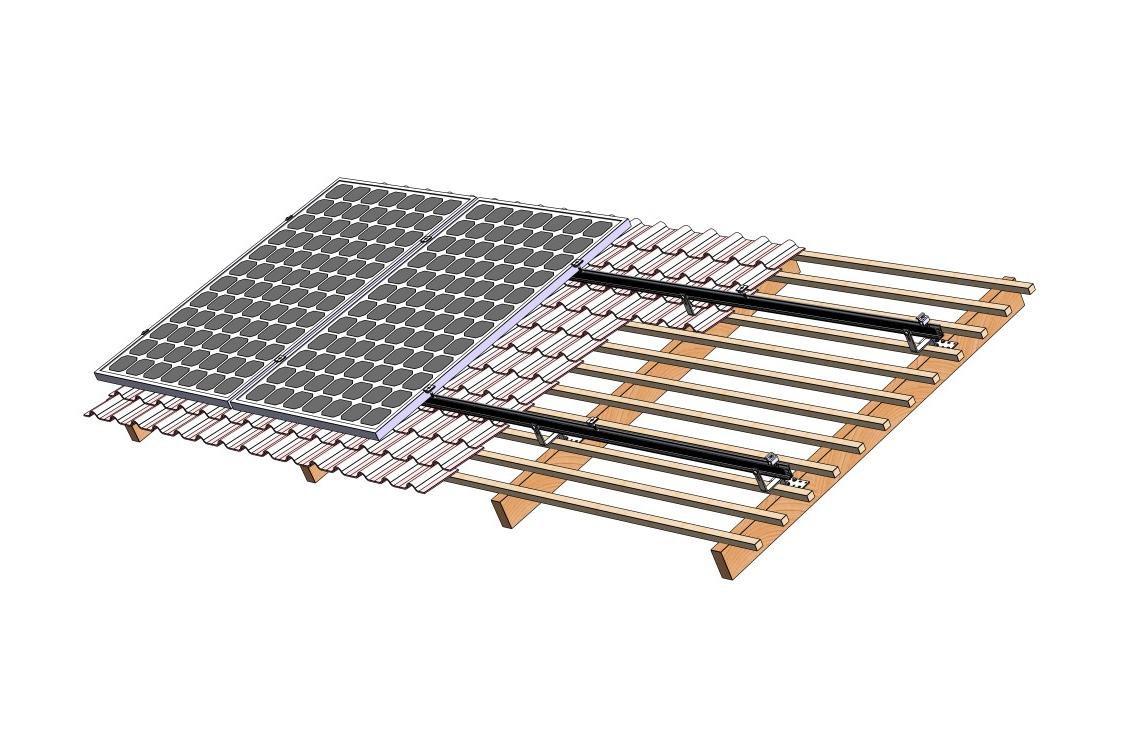
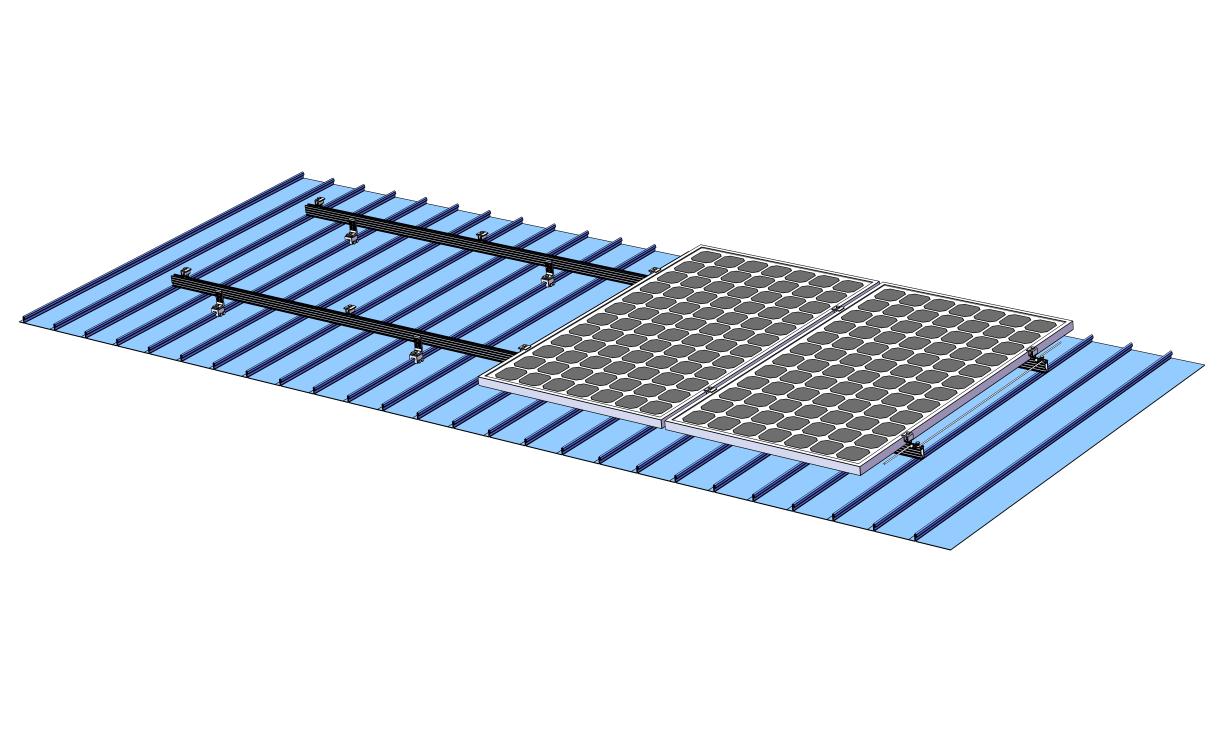
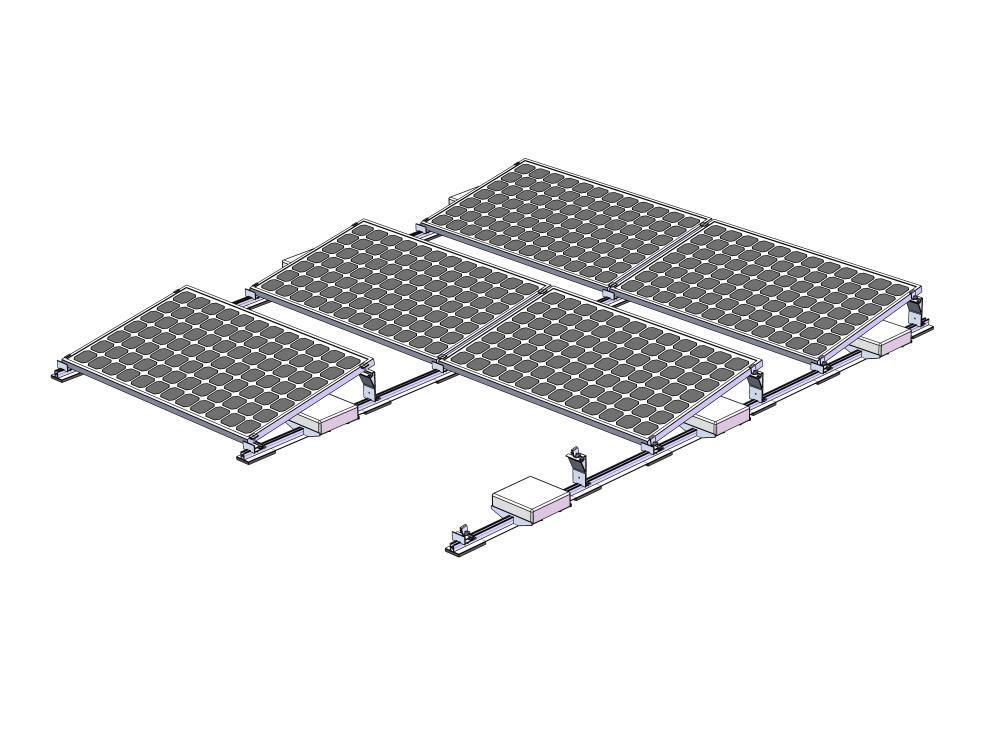
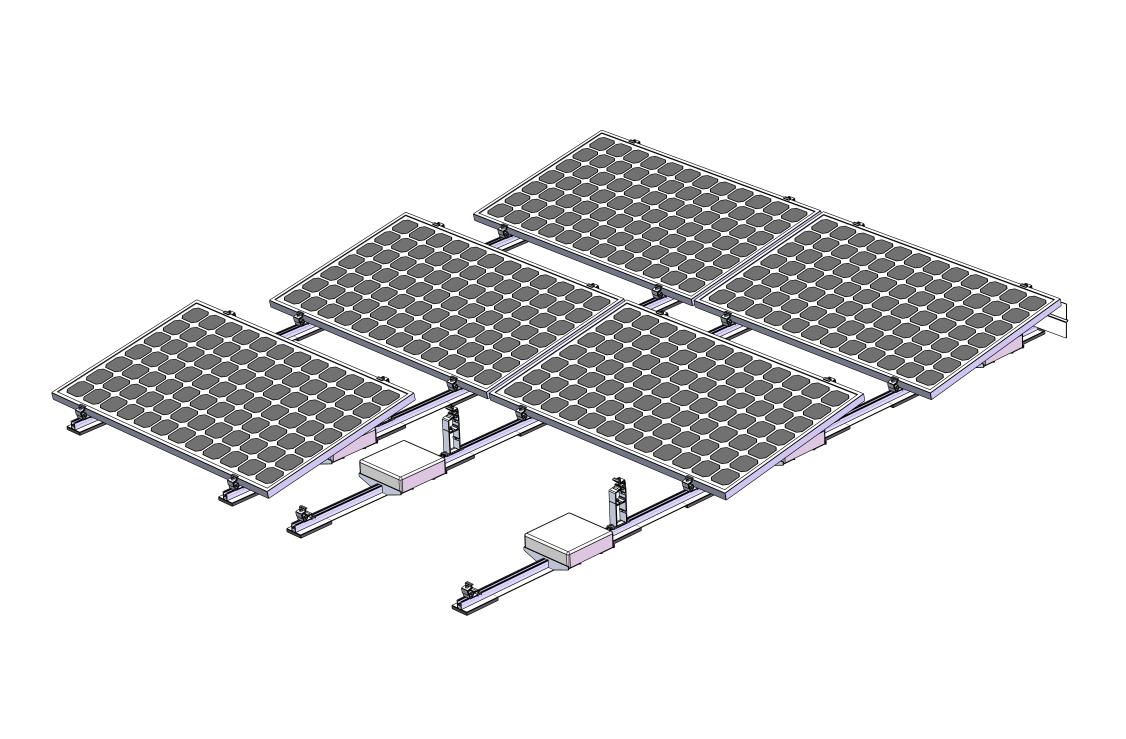
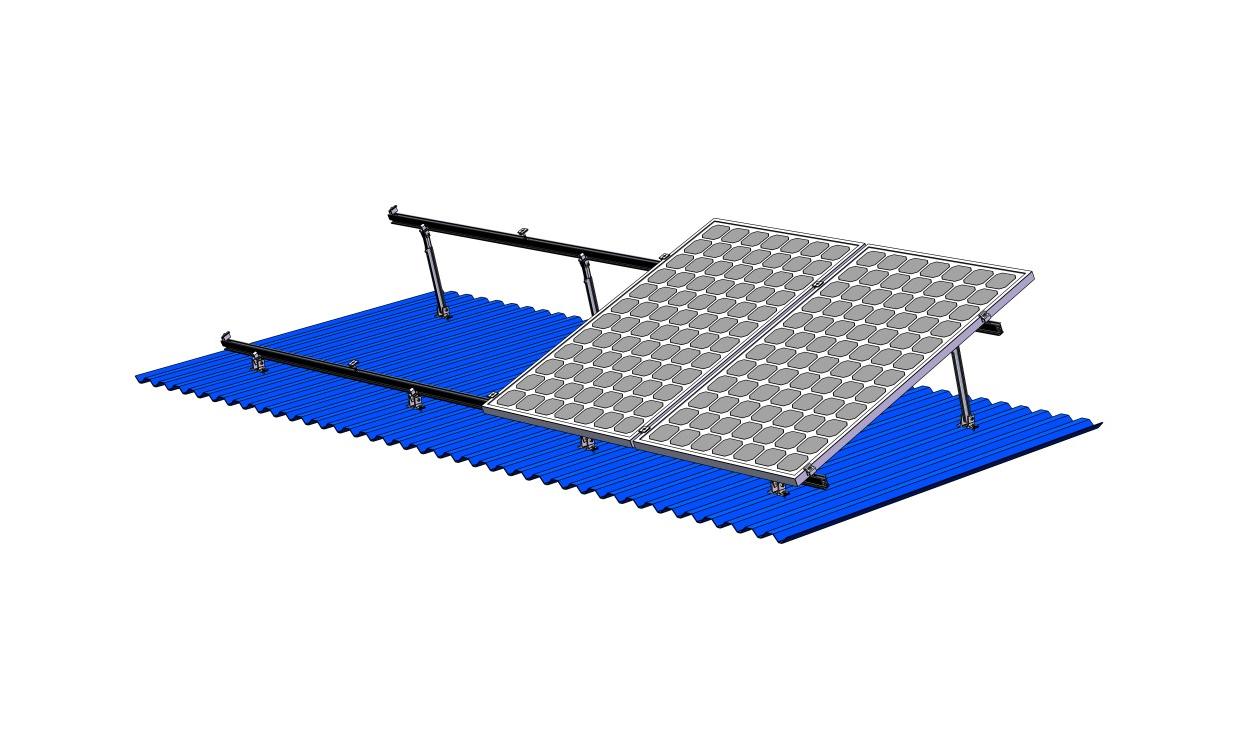
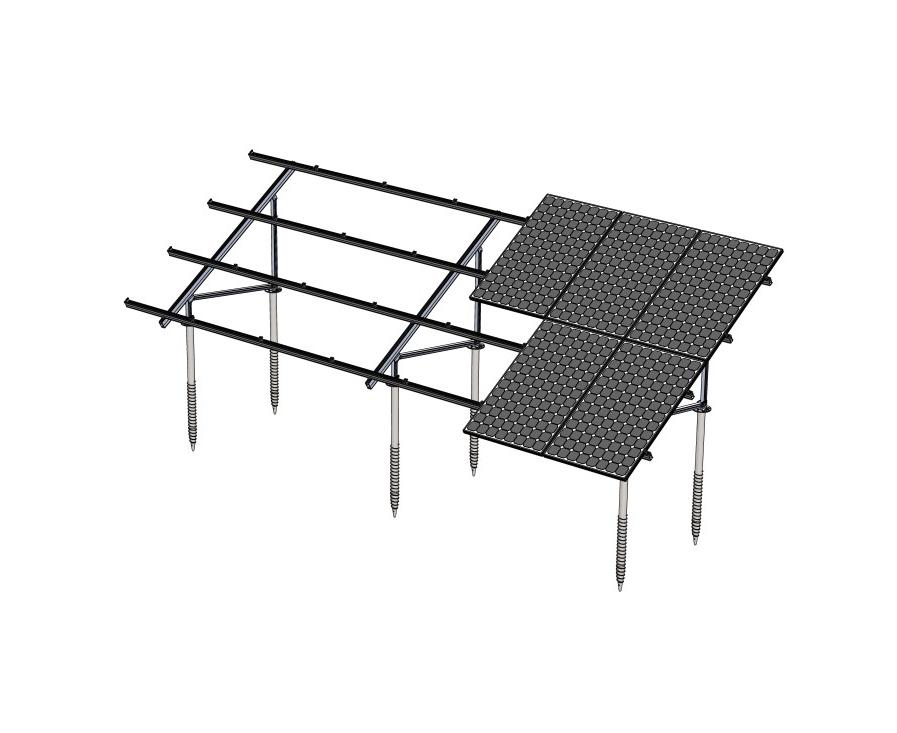
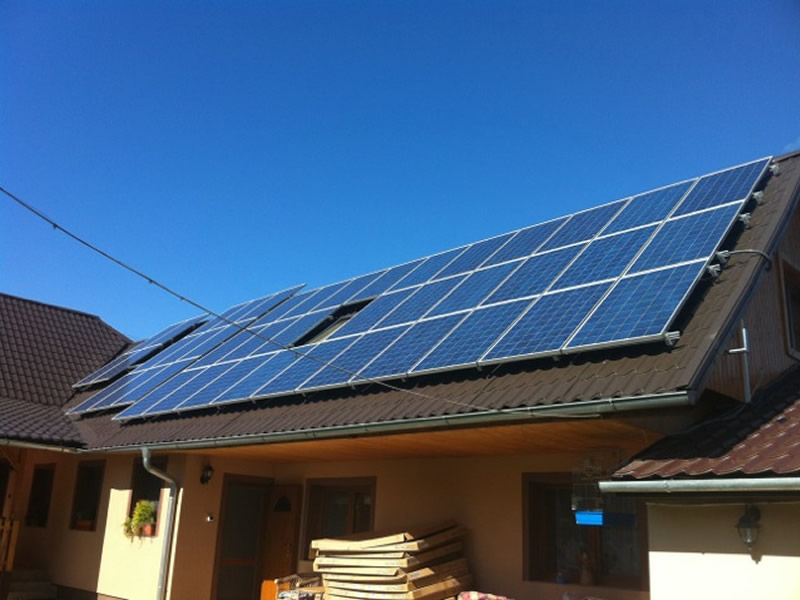
On 11 December 2025, a landmark energy regulation officially came into force in Israel: all newly built residential properties and certain tower blocks must be equipped with rooftop solar panels to obtain a building permit.
Under the requirements set out by the Israel Planning Administration, two categories of buildings are obligated to install solar panels:
- All new residential buildings nationwide – Israel sees approximately 10,000 new homes completed each year, all of which will be required to feature solar-equipped rooftops going forward.
- Non-residential buildings with a rooftop area exceeding 250 square meters, including large commercial towers, factories, warehouses and other major facilities.
However, not all buildings fall under the mandate. Exemptions are granted to the following: wall-less sheds, Jewish ritual baths (mikvahs), buildings located on the immediate coastline, protected historical structures, and buildings with low-pitched roofs. The Israeli Ministry of Energy and Infrastructure notes that the majority of additional electricity generated under the policy will come from the large rooftops of non-residential buildings.
The new regulation specifies explicit standards for the power output of solar panel systems:
- Residential buildings: A minimum capacity of 5 kilowatts (kW) is required. This small-scale household solar system is sufficient to meet the daily electricity needs of an average family.
- Non-residential buildings: Required capacity is calculated as rooftop area (sq m) ÷ 20, with a maximum cap of 15 kW.
For example: A 250 sq m rooftop requires a 12.5 kW system; for rooftops of 300 sq m or larger, installation is capped at the 15 kW limit, with no need for additional capacity.
According to an assessment published by GreenDays – a solar installation price comparison platform – in the business daily Globes, the cost of installing rooftop solar panels ranges from 45,000 to 90,000 Israeli New Shekels (ILS). The final price is subject to factors such as rooftop area, shape and structure, and may rise further if the rooftop has a complex design.
To improve energy utilisation efficiency, property owners may opt to install additional energy storage batteries. These batteries can both increase the volume of electricity sold to the grid and power the building for several hours during power outages. However, this configuration is not mandated by the regulation and the extra costs must be borne by the property owner.
For property owners, the financial returns from solar panel installations are highly appealing. The Israeli government has introduced generous electricity tariff subsidies:
- General areas: A subsidy of 0.48 ILS per kilowatt-hour (kWh).
- Major cities (with a population of 50,000 or more, or approaching this threshold): The subsidy is increased to 0.56 ILS per kWh.
For comparison: Subsidies for large-scale commercial solar power plants stand at just 0.07 ILS per kWh.
This means that small-scale distributed solar power generation in urban areas qualifies for premium feed-in tariffs from the grid. The Israeli Ministry of Energy and Infrastructure estimates that, after accounting for installation costs, the annual return on investment (ROI) from selling electricity to the grid can reach 15%. In addition, flexible tariff schemes are available: property owners can either opt for a lower initial tariff that is adjusted upwards in line with inflation over time, or a higher initial tariff to recoup costs quickly, with a corresponding reduction in ROI in later years.
It should be noted that subsidy rates for solar systems installed on the rooftops of large buildings are relatively low, and may be further reduced in the coming years, with the exact extent of the cut yet to be determined.
The new regulation forms a core component of Israel’s plan to add 100,000–150,000 solar rooftops across the country. Currently, renewable energy accounts for only 15% of Israel’s total electricity generation, leaving a significant gap to reach the 2030 target of 30%. While large-scale commercial solar power plants will remain the primary source of new electricity capacity, small-scale distributed solar power offers unique advantages:
- Power generation is located close to urban electricity demand centres, eliminating the need for costly transmission infrastructure investment.
- No additional land resources are required, which aligns with Israel’s reality of scarce land availability.
- Decentralised power production enhances the resilience of the energy system. Even if some generation facilities experience failures or security incidents, large-scale blackouts can be avoided.
-





 English